The Fog of the Informational War
Apr 12, 2026
|
10
min read
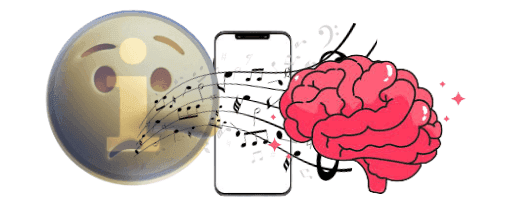
Hundreds and hundreds of pieces of information enter your brain every single day. Whether you realize it or not, between going to school and scrolling on your phone, you're constantly learning. But are you really?
A TikTok account with 500k followers and no qualifications talks about how "college is a scam" and sells a get-rich-quick course. An Instagram "therapist" is just reading off a chatbot response with good editing skills. Meanwhile, a real expert with no editing skills or social media presence has a small blog that gets drowned out by an influencer. The fog of the informational war is affecting all of us.
Just ten years ago, this wasn't the case. The only sources you would see online were usually established and trusted news outlets — and further back still, you would only ever read books created by experts or reliable news sources. Now, however, anyone with a phone and an internet connection can give out advice.
This isn't necessarily a problem, as there are people with useful insights worth sharing — but this isn't how the system works. Platforms push content based on how engaging it is, so an economics professor filming on his phone will be overlooked in favor of an 18-year-old with editing skills and expensive equipment.
Why young people are especially at risk
This is especially damaging to young people. We are easily influenced, we're trying to find ourselves, and we can be easily misguided — whether that's through misinformation about study tips, mental health, or career advice. This is taken even further by the narrative that "mainstream information is propaganda," which has no real basis in reality. Instead of being critical and using reasoning, people become cynical of the world around them, making it even harder for educated people to actually spread information.
How to tell them apart
There are key differences between people who are chasing engagement and those who have real credentials.
A credible person will typically have a degree in the field, some form of professional acknowledgement, a fair amount of experience, will cite sources, and is able to be nuanced about topics.
An engagement farmer, on the other hand, constantly uses extreme phrasing like "the next craziest hack," has zero tangible credibility, is selling some kind of course, and has lots of sponsors.
A personal wake-up call
This small amount of misinformation seems harmless at first glance, but it is slowly cutting through young people's thinking. For me personally, I realized I was being influenced by social media when my friend and I saw a ladybug. I remembered a TikTok from some "biologist" — greenscreen, engaging account — who claimed you can tell a ladybug's gender by how bright it is. My friend, who loves bugs, immediately thought I was joking when I said it. But when he realized I actually believed it, he explained it simply wasn't true and asked where I'd heard it. We're told not to believe everything we see online, but watching short-form content is different — anyone with a good setup and editing skills becomes more convincing than any forum post ever could.
That was a harmless mistake. But what if I kept letting algorithms control my thinking? What if they convinced me about careers that don't exist or nudged me toward bad life decisions?
What you can do
Before believing something you see online, ask yourself: Who is this person and why should I believe them? What is their motivation for making these videos? Is the information itself credible? You can also fact-check — if a TikToker claims testosterone has minimal side effects, do your own research.
If you're a student and don't want to spend your days constantly researching, try to find at least one credible source and look for others they endorse — credible people tend to associate with other credible people. Another useful skill is learning to evaluate claims and evidence; someone can take a photo completely out of context and build an entirely different narrative around it. Or simply be comfortable saying "I don't know" — even if you watched a YouTube Short explaining it, it's better to say nothing than to spread more possible misinformation.
While information is more accessible than ever, misinformation rises alongside it — because most major algorithms prefer engagement over accuracy. So while it's not your fault, it is your responsibility to regulate what you take in. Decide whether you're going to listen to a dentist filming on their phone or an influencer with a $10k setup. Your future depends on learning the right things. Don't let your brain get polluted with misinformation. Your parents were right about this one: do not trust everything you see online. Not because you're cynical — because you're smart enough to know better.